


Art Without Borders: How SERET Spain 2026 Defied the Odds
The 3rd edition of the SERET International Israeli Film Festival in Spain (February 2026) was more than just a series of screenings—it was a cultural statement. Despite facing logistical challenges and boycott attempts, the festival’s message of "Art without Borders" resonated deeply with the Spanish press.
From Madrid’s major dailies to Barcelona’s local buzz, here is how the media covered our 2026 journey:
The prestigious national newspaper ABC featured an in-depth interview with Noa Hadad, the festival’s producer in Spain. The headline, "We will not hide: we will continue to project Israeli films constantly," captured the festival's resilience. Noa emphasized that cinema is a vital tool for showing the diverse, human side of Israel that often gets lost in the news cycle.
Barcelona’s influential outlet Metropoli tracked the festival’s success with two major features. They initially highlighted how Israeli cinema "aspires to seduce the Barcelona public," noting that the selected films—like The Matchmaking 2 and Total Cabaret—allow local audiences to see their own lives reflected in the stories. By the end of the festival, the tone shifted to celebration, with Metropoli reporting that "Israeli cinema consolidates its success in Barcelona," marking a significant milestone for our growth in the city.
Atalayar, a leading source for Mediterranean culture and politics, praised the festival for bringing "the best of Israeli cinema back to Spain," focusing on the high artistic quality of the 2026 selection. Meanwhile, Radio Sefarad highlighted the festival as a "cultural mission" (Shlijut), reporting on the community's determination to keep the lights on in the theaters despite external pressures.
The bilingual portal HaPuente focused on the accessibility of the festival. By providing Spanish subtitles for all screenings, SERET has successfully opened a window for the local Spanish audience to understand the nuances of Israeli society—from the complexities of the Ultra-Orthodox world to the avant-garde arts scene.
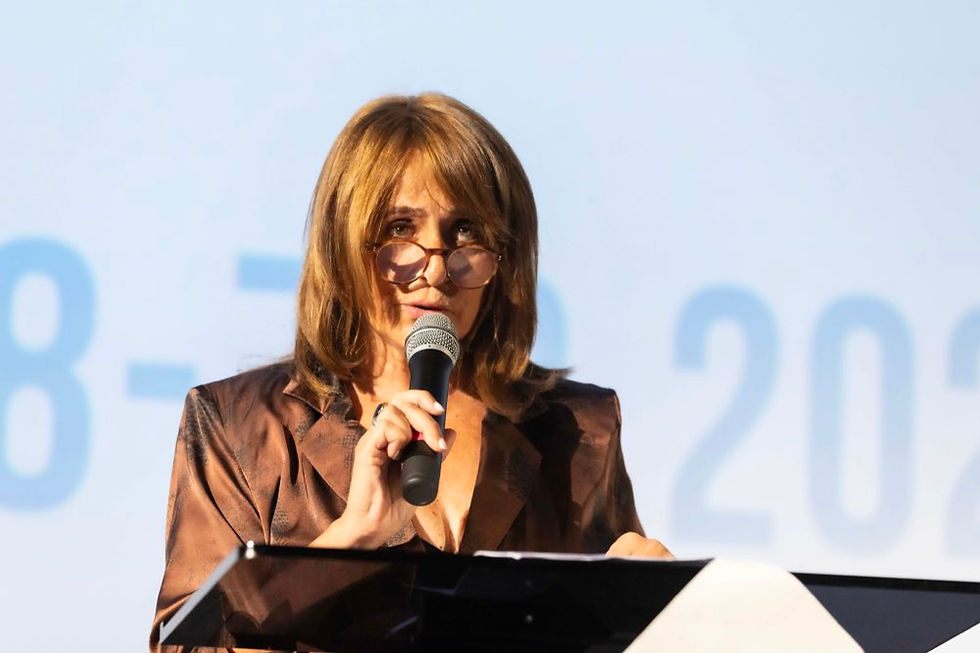
In a vibrant video interview with Mazal TV, Noa Hadad shared her personal journey as an actress and producer, describing the festival as a bridge between her two homes: Tel Aviv and Spain. The broadcast showcased the "Woman Power" behind the festival and invited all Spaniards to discover the "depth and diversity" of Israeli storytelling.
The media coverage of 2026 confirms what we have always believed: Culture is the strongest bridge. We are incredibly grateful to the journalists and outlets who recognized the artistic value of our festival and helped us share the heart of Israel with the people of Spain.




Comments